How Choosing an Aluminum Livestock Trailer Enhances Transportation Efficiency
Livestock transportation is a crucial aspect of agricultural operations, with both safety and efficiency dictating the choice of a trailer. Among many options, aluminum livestock trailers stand out for their performance and durability. Not only are they key to protecting valuable cargo, but they also play a significant role in reducing costs and improving operational efficiency over time
Enhanced durability, improved fuel efficiency, easy maintenance, and better weight management are key benefits of choosing an aluminum livestock trailer. For producers and transporters looking to optimize their operations, understanding these advantages is essential. Below, we’ll explore why aluminum is a superior material for livestock trailers and how it impacts transportation efficiency.
Choosing an Aluminum Livestock Trailer for Enhanced Durability and Longevity
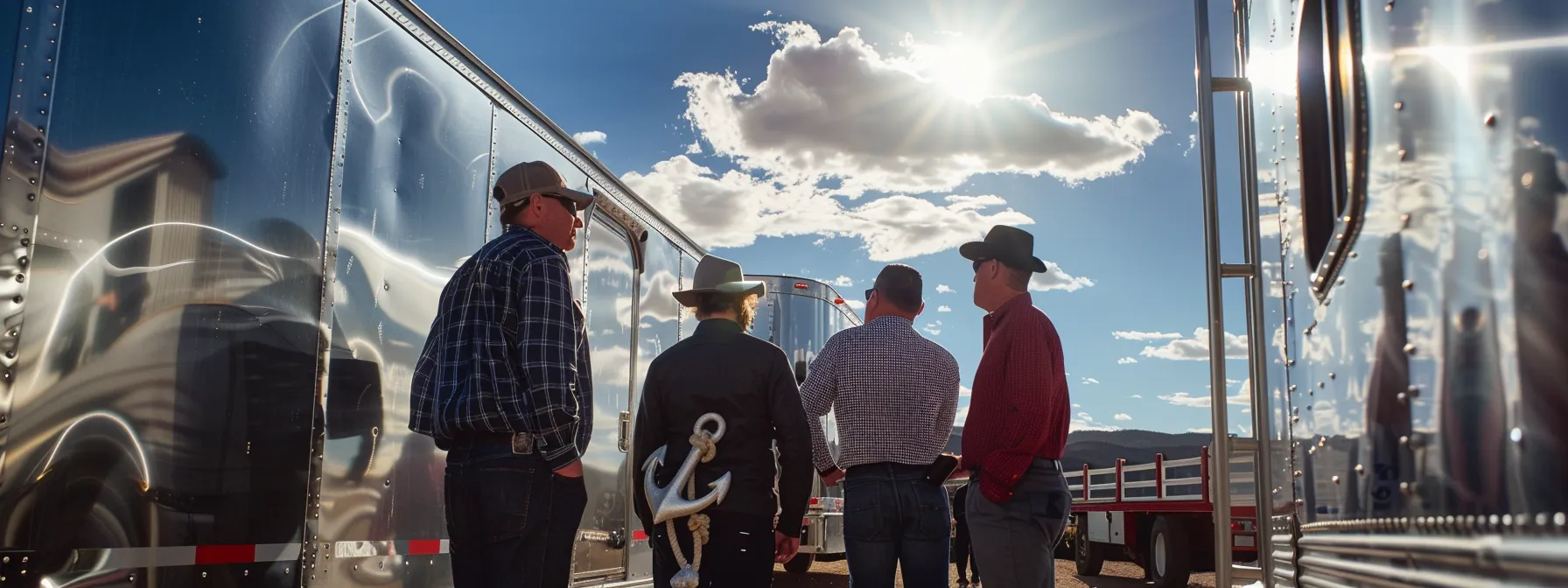
An aluminum livestock trailer provides exceptional durability compared to its steel counterparts. Aluminum resists corrosion and rust, allowing it to withstand harsh weather and the corrosive nature of livestock waste without deteriorating. This property significantly extends the trailer’s lifespan and protects the animals during transport.
Steel trailers, while initially less expensive, may incur higher costs over time due to frequent maintenance and potential replacement. The durability of aluminum trailers can lead to lower repair costs and less maintenance downtime. Farmers and transport businesses will find that the longevity of their investment more than justifies the initial expense.
To maximize the benefit of an aluminum trailer, it’s advisable to choose a model designed for durability, such as those with reinforced construction or additional protective features. The choice of an aluminum livestock trailer made from high-quality materials can be a reliable asset for many years.
How Aluminum Livestock Trailers Contribute To Better Fuel Efficiency
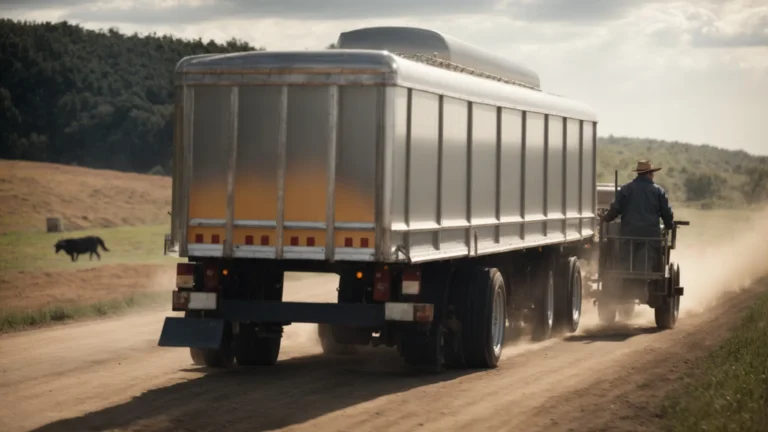
Fuel efficiency is a key concern in the livestock transportation industry. Aluminum trailers are significantly lighter than steel trailers, which means they require less energy to tow. This reduced weight can lead to substantial fuel savings, especially on long-distance or frequent trips.
Calculations show that even a modest reduction in weight can translate to noticeable fuel savings. For example, a lighter aluminum trailer could save hundreds of gallons of fuel annually, depending on usage frequency. Such savings directly impact operational costs, making aluminum trailers an economically sound choice.
To leverage the benefits of improved fuel efficiency, it’s important to consider the fully loaded weight of the trailer. Ensuring that the vehicle and trailer are well-maintained and that loads are evenly distributed can further optimize fuel consumption.
Streamlining Livestock Transportation With Lightweight Aluminum Trailers
The lightweight nature of aluminum trailers not only improves fuel efficiency but also enhances maneuverability and ease of handling. This means quicker loading and unloading times and a more streamlined transportation process overall. The reduced weight also puts less strain on the towing vehicle, potentially prolonging its service life and lowering repair and maintenance costs.
For instance, a lighter trailer may allow for more animals to be transported within legal weight limits, maximizing the efficiency of each trip. Additionally, livestock handlers often report easier handling and control of aluminum trailers on the road, offering better safety for both the driver and animals.
Selecting a lightweight aluminum trailer from a reputable manufacturer can assure an optimal balance between payload capacity and ease of transport. A well-designed trailer will offer the best of both worlds, increasing productivity while promoting animal welfare.
Advantages of Easy Maintenance and Sanitation in Aluminum Livestock Trailers

Sanitation and maintenance are critical in livestock transportation. Aluminum trailers are not only easier to clean due to their non-porous surfaces but also less prone to harboring bacteria and diseases. This can contribute to a healthier environment for livestock, minimizing the risk of disease transmission during transit.
Compared to steel, aluminum does not require painting and is not susceptible to rust, which typically necessitates time-consuming maintenance and the use of harsh chemicals. This reduces the effort and cost required to keep the trailer in optimal condition. Regular washing and periodic inspections are generally sufficient to maintain an aluminum trailer’s hygiene and functionality.
When looking for a trailer, prioritize ease of cleaning. Models with specially designed interiors that minimize dirt accumulation and facilitate water drainage can substantially simplify maintenance, ensuring that trailers are quickly ready for their next use.
When efficiency, durability, and cost-effectiveness are key considerations, an aluminum livestock trailer emerges as the superior choice. The advantages of reduced weight, lower maintenance requirements, and greater fuel economy combine to provide livestock transporters with a dependable and long-term solution. By making the informed decision to invest in an aluminum trailer, transporters can enjoy improved operational performance and higher returns on their investment.