
Facial aging is a complex, multi-dimensional process that affects skin elasticity, facial fat distribution, and underlying muscular support structures. Over time, gravity, sun exposure, and natural collagen depletion lead to midface sagging, deep nasolabial folds, jowling along the jawline, and skin laxity in the neck. While non-surgical cosmetic interventions such as dermal fillers, neurotoxins, and energy-based skin tightening devices have surged in popularity, they primarily offer subtle, temporary enhancements. For individuals seeking significant, long-lasting restoration of facial contours and youthfulness, surgical facial rejuvenation remains the definitive standard in aesthetic medicine.
The Evolution of Facelift Techniques
Plastic surgery has evolved significantly over the past several decades. Traditional facelift procedures primarily focused on pulling and tightening the superficial cutaneous layer of the skin. While these early methods achieved smoother skin surfaces, they frequently resulted in an over-tightened, artificial appearance commonly referred to as the windblown look. Furthermore, because skin alone possesses limited structural strength, tension applied solely to the epidermal layers often leads to premature relapse and widened surgical scars.
To address these structural limitations, facial surgeons developed techniques targeting the Superficial Musculoaponeurotic System, commonly known as the SMAS. The SMAS is a supportive fibromuscular network that sits beneath the subcutaneous fat and covers the deeper structures of the face. Plication or elevation of the SMAS layer represented a major advancement, allowing plastic surgeons to reposition underlying facial tissues rather than relying exclusively on skin tension. However, standard SMAS techniques still leave certain deep ligaments intact, which can restrict the degree of vertical elevation achievable in the midface and lower cheeks.
Understanding the Deep Plane Facelift Approach
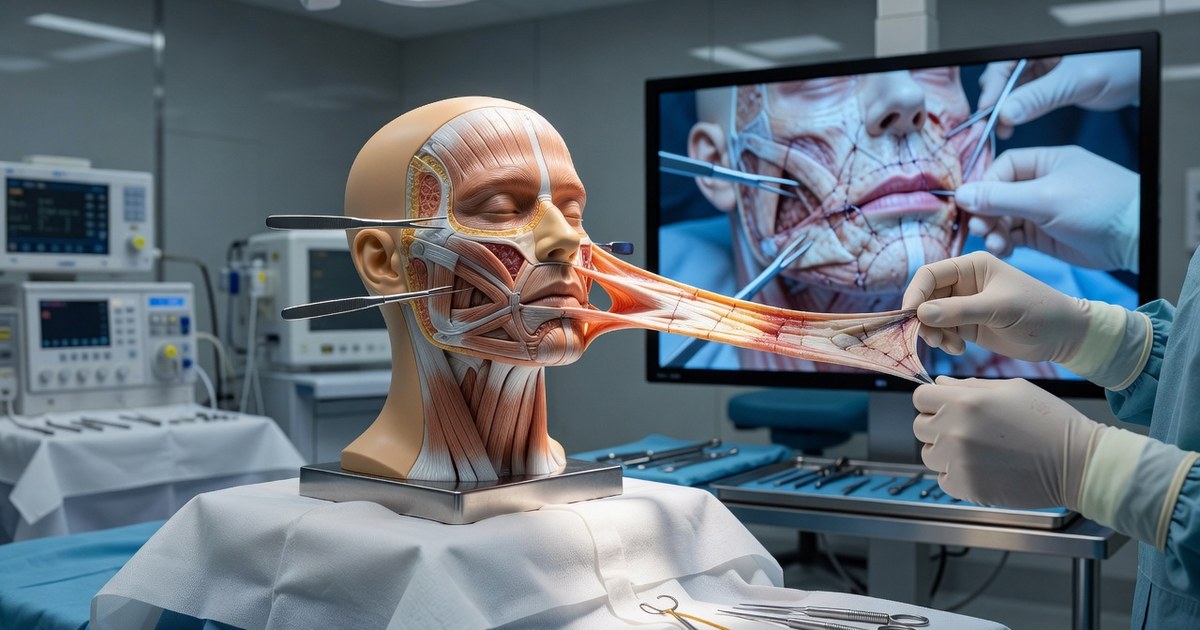
The deep plane facelift represents one of the most advanced anatomical techniques in contemporary facial plastic surgery. Unlike superficial or traditional SMAS lift methods, the deep plane technique operating plane lies beneath the SMAS layer and above the deep facial muscles. By entering this natural anatomical sub-SMAS plane, the surgeon can directly release key retaining ligaments—such as the zygomatic and masseteric ligaments—that bind facial soft tissues to the underlying facial skeleton.
Releasing these tough fibrous attachments allows the entire cheek mass, nasolabial fat pads, jawline, and upper neck tissues to be mobilized and elevated as a single, cohesive unit. Because the skin and underlying SMAS remain naturally attached to one another during mobilization, there is zero unnatural tension placed on the skin during closure. Tissues are restored upwards toward their original, youthful anatomical position rather than pulled horizontally backward toward the ears. This produces an exceptionally natural appearance, fully preserved facial expressions, and virtually imperceptible surgical incisions.
Key Advantages of Deep Plane Rejuvenation
Patients considering comprehensive facial rejuvenation often choose deep plane procedures due to several distinct clinical advantages:
- Midface and Cheek Elevation: By releasing deep zygomatic ligaments, the procedure restores fullness to flattened cheeks and softens deep anatomical lines around the nose and mouth.
- Definition of the Jawline and Neck: Repositioning deep tissues effectively eliminates jowls and cleans up the mandibular line, creating a smooth transition into the upper neck.
- Natural, Tension-Free Results: Because tension is borne entirely by strong deep structural fascia rather than superficial skin, patients avoid a pulled or distorted cosmetic appearance.
- Longevity of Results: Anatomical repositioning of deep structural layers provides structural longevity that far surpasses traditional cutaneous surgical techniques.
Choosing an experienced facial plastic surgeon who specializes in sub-SMAS dissection is essential for achieving optimal anatomical balance and safety. Patients searching for specialized care can consult with an expert deep plane facelift in Connecticut to learn more about individualized treatment options and surgical protocols.
Recovery and Post-Surgical Care
Despite being a deeper anatomical intervention, recovery following a deep plane facelift is remarkably comfortable for most individuals. Because the surgical plane is entered beneath the primary blood vessel networks supplying the skin flap, post-operative swelling and bruising are often comparable to or even less than traditional superficial techniques. Most surgical swelling peaks within the first 48 to 72 hours and gradually subsides over subsequent weeks.
Patients are generally advised to take approximately two weeks away from work and social commitments. During this initial healing phase, maintaining elevated head positioning, avoiding strenuous physical exertion, and following strict wound care guidelines facilitate optimal tissue healing. As healing progresses, the restored contours settle into a refreshed, naturally youthful contour that reflects the patient’s inner vitality.
Conclusion
Modern facial plastic surgery emphasizes structural restoration, natural aesthetics, and long-term harmony. The deep plane facelift stands at the forefront of surgical innovation, offering individuals a sophisticated pathway to reverse visible signs of aging without sacrificing natural facial movement. Consulting with a qualified specialist ensures that surgical goals align with precise anatomical evaluation for safe, satisfying, and transformational results.